


Jasmine Tea
Filter & Sort
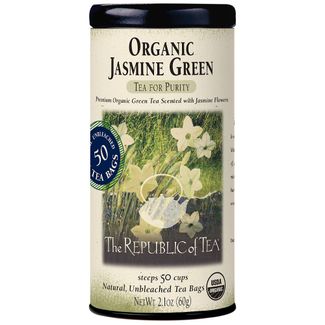


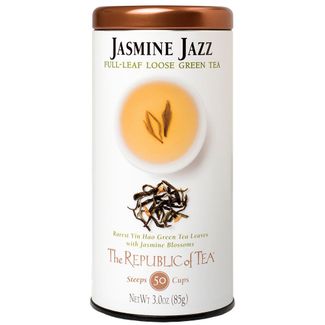
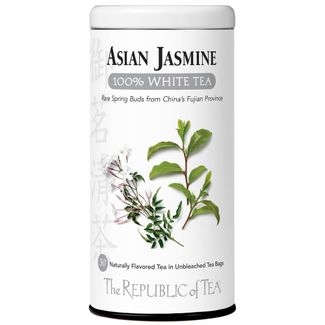
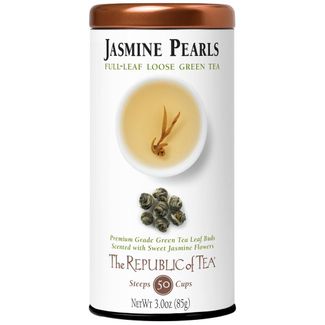
Jasmine Tea: Fragrant Calm in a Cup
There’s something instantly transporting about jasmine tea. The aroma is soft but unmistakable — floral, sweet, and fresh — like evening air in a garden. For centuries, people have reached for jasmine tea not only for its scent, but for the way it makes moments feel more peaceful and complete.
At The Republic of Tea, we love jasmine tea for its balance: delicate yet expressive, soothing yet uplifting. Whether you’re a longtime jasmine fan or just discovering it, this guide covers what jasmine tea is, where it comes from, how it’s made, why people love it and how to steep a truly beautiful cup.
What Is Jasmine Tea?
Jasmine tea is tea, most often green tea, infused with jasmine blossoms. The tea leaves absorb the flowers’ natural fragrance, creating a silky, floral cup.
While green tea is the classic base, jasmine tea can also be made with white tea, oolong tea or black tea. The base tea contributes body and character; jasmine adds a gentle, aromatic top note.
Flavor profile:
- Lightly sweet, floral aroma
- Smooth, fresh taste
- Clean finish with subtle warmth
A Brief History of Jasmine Tea
Jasmine tea’s story begins in China, where jasmine flowers where first used to scent tea starting around the 5th century. However, it was not until the Qing Dynasty (1644–1912 CE) that jasmine tea became widespread and exported throughout the world.
The most famous jasmine teas traditionally come from Fujian Province, where warm days and cool nights help jasmine blossoms develop their signature fragrance. From there, jasmine tea traveled along trade routes and eventually gained worldwide popularity.
Today, jasmine tea remains one of the most celebrated flavored teas on earth — timeless in tradition, but perfectly at home in modern rituals.
How Jasmine Tea Is Made
Authentic jasmine tea is not flavored with oils or extracts. Instead, it’s scented naturally through a careful layering process.
Here’s the traditional method:
- Tea base is prepared: Typically green tea, dried and ready to absorb aroma.
- Fresh jasmine blossoms are harvested: Usually in late spring or summer, when they’re most fragrant.
- Scenting begins at night: Jasmine flowers open after sunset, releasing their essential oils.
- Tea and blossoms are layered together: The leaves absorb the floral aroma over several hours.
- Flowers are removed: The tea is gently heated to lock in scent.
- Repeated scenting: High-grade jasmine teas may be scented three to seven times to deepen aroma.
The result is a tea that smells like jasmine blooms without losing the tea’s own natural flavor.
Potential Benefits of Jasmine Tea
Jasmine tea combines the natural properties of tea with the calming sensory experience of jasmine fragrance. While not a medical treatment, many people enjoy jasmine tea as part of a wellness-forward lifestyle.
Commonly cited potential benefits include:
- Rich in antioxidants
- A gentle energy lift
- Supports mindful relaxation
- May aid digestion
- Hydration with flavor
- A heart-friendly choice
If made with green or white tea, jasmine tea contains catechins and polyphenols — plant compounds that help protect cells from oxidative stress.*
Green jasmine tea includes moderate caffeine plus L-theanine, which many tea drinkers describe as giving a “calm focus.”*
The aroma itself may encourage a sense of calm and ritual. Many people drink jasmine tea to unwind without feeling heavy or sleepy.*
Warm, lightly tannic tea is often enjoyed after meals to support digestion and settle the stomach.*
Jasmine tea is a fragrant, low-calorie way to drink more fluids, especially for people who find plain water boring.
Unsweetened jasmine tea can be part of a heart-healthy routine, especially when replacing sugary drinks.*
How to Steep Jasmine Tea (So It Smells Amazing)
Jasmine tea is delicate. Steep it gently, and it will reward you.
Recommended brewing:
- Tea amount: 1 teaspoon per 6 oz cup
- Water temp: 175-185°F (just short of boiling)
- Steep time: 1-3 minutes for tea bags or 2-4 minutes if using full-leaf tea
- Re-steep: Yes! Many jasmine teas offer two to three lovely infusions.
Tip: If your jasmine tea tastes bitter, lower the temperature or steep for less time. The goal is floral smoothness, not intensity.
FAQ: Jasmine Tea Questions, Answered
Is jasmine tea green tea?
Often yes, but not always. Jasmine tea refers to the infusing method, not the base tea. Most jasmine tea uses green tea, but you may also find jasmine white, oolong or black tea.
Does jasmine tea have caffeine?
Yes, unless it’s specifically decaffeinated. Caffeine level depends on the base tea:
- Green jasmine tea: moderate caffeine
- White jasmine tea: lower caffeine
- Black jasmine tea: higher caffeine
What does jasmine tea taste like?
Smooth, lightly sweet and floral. The jasmine aroma leads; the tea base provides the body.
Is jasmine tea naturally flavored?
Traditional jasmine tea is naturally scented with blossoms, not flavored with syrups or artificial oils. Always check the label if you want true blossom-scented tea.
Can I drink jasmine tea every day?
Most people can enjoy jasmine tea daily in moderation. If you’re sensitive to caffeine, choose a lower-caffeine base or drink earlier in the day.
Is jasmine tea good with food?
Absolutely. Jasmine tea pairs beautifully with light meals — salads, rice dishes, seafood, fruit, and pastries. It’s also delightful after dinner.
How should I store jasmine tea?
Keep it airtight, cool and away from light and strong odors. Jasmine tea is aromatic, so it can absorb surrounding smells easily.
A Cup Worth Savoring
Jasmine tea is more than a drink, it’s an experience. It brings together craftsmanship, centuries of tradition, and a quiet kind of beauty you can taste and smell.
Whether you steep it for focus, for calm, or simply for pleasure, jasmine tea is a reminder that the smallest rituals often carry the most comfort.
If you’re exploring jasmine tea or rediscovering an old favorite, we invite you to sip slowly and enjoy the bloom.
*This statement has not been evaluated by the Food and Drug Administration. This product is not intended to diagnose, treat, cure or prevent any disease.